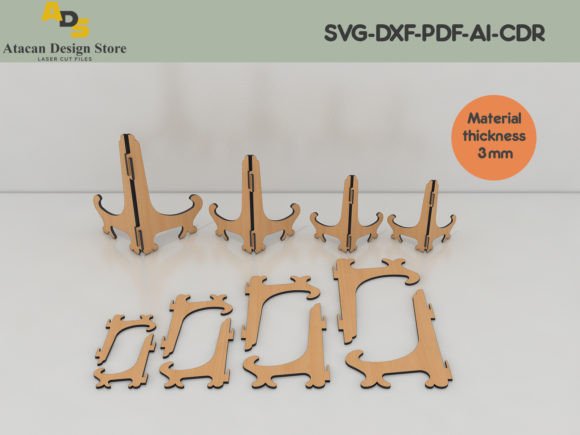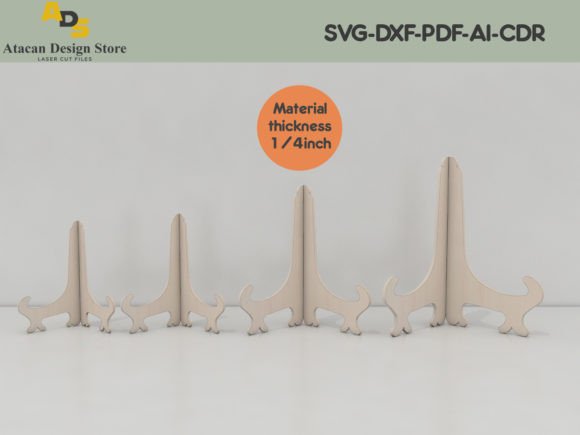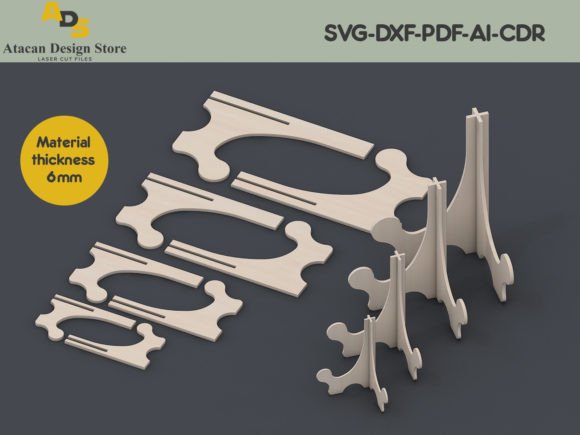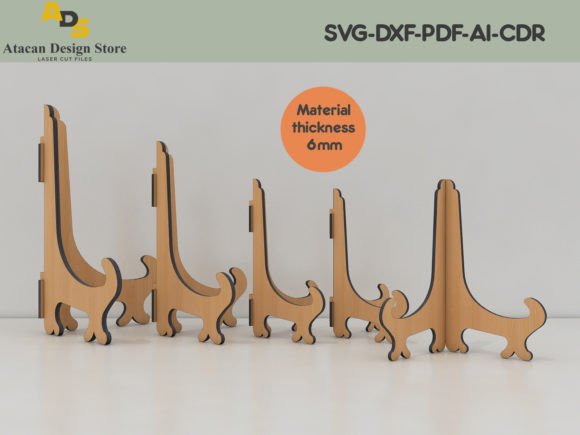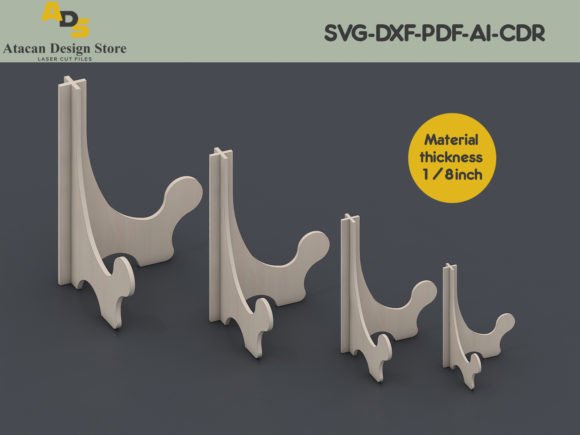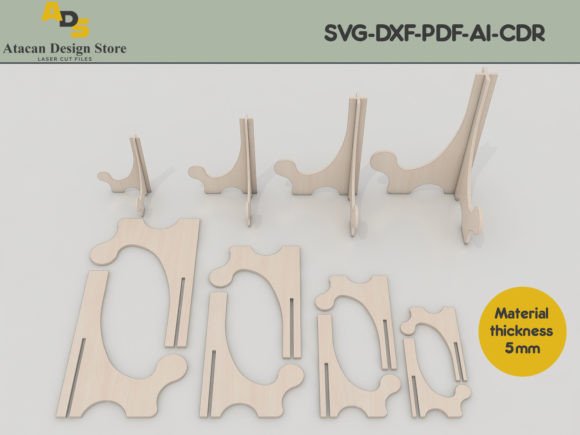
Wood Easel Display Stand Plate Stands
As a designer who spends half my day staring at stitch density charts and the other half arguing with embroidery machines about tension settings, I have learned to be skeptical of any design file that promises too much. We live in an era where digital assets are abundant, but usable, high-quality machine embroidery designs that actually translate well from screen to fabric are rare. Today, I am putting the Wood Easel Display Stand Plate Stands under the microscope. This is not just another clip-art vector; it is a specific illustration intended for production, and I want to know if it holds up when you run it through your hoop.
The First Impression: Mood and Visual Personality
When you first load the embroidery file, the immediate takeaway is its rustic charm. The subject matter—a classic wooden easel holding a display plate—evokes a sense of artisanal craftsmanship. It feels grounded, warm, and inviting. For designers creating assets for the home decor or handmade gift market, this visual personality is gold. It does not scream "modern tech"; it whispers "handmade heritage."
The layout is balanced, which is crucial for stitch density. The central focus on the easel allows for a clear focal point, while the surrounding elements provide enough negative space to prevent the design from feeling cluttered. In embroidery, clutter is the enemy of clarity. If every inch of fabric is covered in dense stitching, the texture can become stiff and unappealing. This design respects the fabric’s drape, leaving room for breathability while still delivering a strong graphic presence.
Real-World Application: Where Does It Shine?
I do not review designs in a vacuum. I think about them in the context of real projects. So, where would Wood Easel Display Stand Plate Stands actually sell? Let’s look at a few scenarios.
Custom Apparel and Accessories: Imagine a boutique selling personalized kitchen aprons. Placing this design on the chest pocket of a heavy-duty canvas apron creates an instant connection to cooking and hosting. It suggests that the wearer values tradition and care. Similarly, on a thick cotton tote bag, this design works beautifully as a statement piece. It transforms a simple utility item into a branded accessory that customers are proud to carry.
Baby and Nursery Items: There is a surprising versatility here for baby products. A soft onesie or a nursery wall hanging featuring this easel motif taps into the "shabby chic" or "farmhouse" aesthetic that remains popular among new parents. It feels gentle and nostalgic. When stitched onto a receiving blanket, the design adds a layer of perceived value, turning a basic gift into a keepsake.
Commercial Merchandise and Etsy Listings: For the Etsy seller or small shop owner, this design is a workhorse. It fits perfectly into collections centered around home organization, art lovers, or culinary themes. Because it is a Graphics category asset rooted in Illustrations, it has a clean line quality that translates well into various thread colors. Whether you are producing custom apparel for a local craft fair or listing digital mockups for print-on-demand services, this design provides a professional anchor for your brand.
The Technical Reality: Stitching and Stability
Here is where we get practical. Not all designs are created equal, and some fail miserably when moved from PNG to PES. The Wood Easel design appears to rely heavily on clean lines and defined shapes. This means the success of the final product depends entirely on your execution.
Thread Colors and Contrast: To make this design pop, you need to choose your thread colors wisely. A dark wood tone against a light fabric background will offer the highest contrast, ensuring the details of the easel legs and the plate rim are visible. If you are working with dark fabric, consider using a lighter wood shade or adding a subtle outline stitch to separate the design from the background. The goal is legibility. A muddy embroidery job kills customer trust instantly.
Hoop Size and Stabilizer: Before committing to a large production run, always check the recommended hoop size. While the design may scale, the structural integrity of the stitches changes. For smaller items like embroidered patches or cap fronts, ensure the design fits within your machine’s smallest standard hoop without requiring excessive trimming. Always use a proper stabilizer matched to your fabric weight. On stretchy fabrics like jersey knits, a cut-away stabilizer is non-negotiable to prevent puckering. On woven cottons, a tear-away might suffice, but stability is key to keeping those fine lines sharp.
Critical Considerations for Specific Fabrics
- Textured Fabrics: Avoid using this design on highly textured materials like bouclé or heavy tweed. The complexity of the fabric will compete with the detail of the easel, resulting in a lost-in-the-weave effect.
- Thin Fabrics: On silk or thin rayon, the backing of the embroidery can feel stiff. Use a water-soluble topping or a lightweight stabilizer to maintain the fabric’s drape.
- Curved Surfaces: If applying to a cap or hat, be mindful of the curve. Designs with sharp corners or wide horizontal spans can distort when pulled over a curved surface. Test this carefully.
Impact on Brand and Customer Perception
In the world of handmade goods, presentation is everything. A well-executed finished product tells the customer that you care about quality. The Wood Easel design, when stitched cleanly, signals professionalism. It looks intentional and curated. Customers are more likely to leave positive reviews and return for more purchases when the embroidery is crisp, with no loose threads or skipped stitches.
Furthermore, this design enhances the giftability of your products. Personalized gifts often require a touch of sentimentality. An easel holding a plate can symbolize "displaying what matters," making it a meaningful choice for housewarming gifts, wedding presents, or holiday decorations. It adds emotional value beyond the physical object.
Practical Designer Notes Before You Sew
Before you start pumping out hundreds of units, follow these steps to protect your reputation and your time:
- Test on Scrap Fabric: Never assume a design will work on your target material without a test run. Stitch it out on the exact fabric you plan to use.
- Check Stitch Density: Look closely at the fill areas. Are they too dense? Will the fabric pucker? Adjust the density in your software if necessary.
- Inspect Small Details: Zoom in on the digital file. Are there tiny elements that might disappear when stitched? If so, simplify the design or increase the stitch length slightly.
- Verify Licensing: This is critical. Confirm whether you have the rights to sell finished items made with this design. Some digital embroidery files are for personal use only. Ensure you have a commercial license before listing on Etsy or Amazon Handmade.
- Black and White Mockup: View the design in grayscale. This helps you assess the balance and contrast without being distracted by color choices.
Final Verdict
The Wood Easel Display Stand Plate Stands is a solid, versatile addition to any designer’s library. It bridges the gap between decorative art and functional product design. It is not overly complex, which makes it forgiving for beginners, yet detailed enough to satisfy seasoned pros looking for quick, high-quality additions to their catalog. If you are looking to expand your range of home decor embroidery or add a touch of rustic elegance to your craft business offerings, this design is worth the investment. Just remember: the best design in the world cannot fix bad technique. Prepare your fabric, stabilize your hoop, and let the machine do its work.