Keychain Cut Plans Review for Real Embroidery Projects
When I first opened the Keychain Cut Plans, my immediate reaction wasn't about the file formats or the technical specifications. It was about the potential. As a designer who spends hours evaluating digital assets before they ever touch an embroidery machine, I look for that spark of practicality. Does this design solve a problem? Can it elevate a small business product? In this case, the answer is a resounding yes, but with some specific conditions attached to how you approach it.
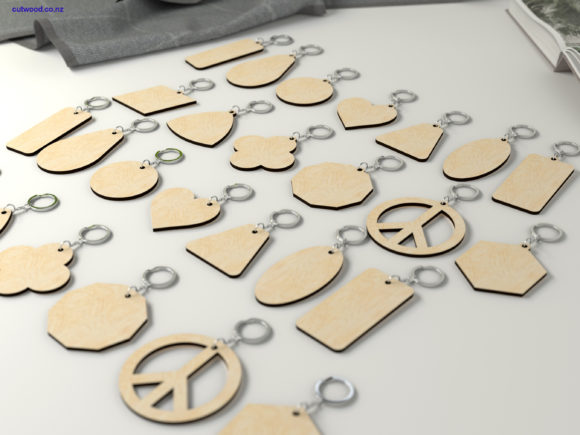
The visual personality of Keychain Cut Plans suggests versatility. While the title implies a niche application for laser cutting materials, the underlying structure screams "embroidery accessory." It feels like a design meant to be seen up close, where every stitch matters. The layout is clean, avoiding the clutter that often plagues designs intended for mass production. This clarity is crucial when you are trying to create a handmade product that stands out on a busy market stall or an Etsy shop page.
From Digital File to Finished Product: A Real-World Scenario
Let me walk you through how I would deploy this design in a real client project. Imagine you are preparing a custom order for a boutique owner who sells artisanal goods. They need a cohesive branding element for their new line of custom apparel and accessories. They want something that says "crafted by hand" without looking cheap or over-stitched.
I decided to test Keychain Cut Plans on a sturdy canvas tote bag. The goal was to use it as a focal point alongside a larger monogram. Because the design files include various thickness options, I could adjust the visual weight to match the heavy-duty fabric. When I ran the first sample, the satin stitch edges were crisp, giving the piece a polished, professional finish that immediately increased the perceived value of the bag. Customers at craft fairs tend to touch these items; a clean, well-defined edge signals quality before they even read the tag.
This same logic applies to personalized gifts. Picture a holiday gift set containing a kitchen towel and a matching apron. Using Keychain Cut Plans on both creates a unified brand identity. It transforms a simple set of linens into a premium boutique product. The design's ability to work across different materials means you aren't limited to just one type of garment. Whether it is a sweatshirt embroidery project or a delicate baby embroidery item, the core shape holds its integrity.
Where Precision Matters: Fabric and Stitch Density
However, not every surface is created equal. My experience with machine embroidery design teaches us that context is everything. There are scenarios where Keychain Cut Plans might struggle if we aren't careful. For instance, attempting to run this design on a stretchy knit fabric without proper stabilization is a recipe for puckering. The dense areas of the design require a stable base to maintain their geometric precision.
If you are working with textured fabrics like bouclé or thick chenille, you must evaluate the stitch density carefully. If the design relies on fine details, those tiny points might get lost in the nap of the fabric. Similarly, on dark fabrics, thread color contrast becomes your biggest ally or enemy. I always recommend testing your thread colors against the final material before committing to a full production run. A light-colored design on a navy blue shirt will pop beautifully, but a dark design on black fabric might disappear unless you use a high-quality underlay.
We also have to consider the hoop size. If you are working with a small hoop, such as one used for caps or hats, you need to ensure the design scales down without losing its soul. Curved surfaces like baseball caps present a unique challenge. The tension varies across the curve, which can distort the running stitch or fill areas if the digitizing isn't optimized for curvature. Always inspect the small details and check whether the design works for the specific curvature of your target garment.
Navigating Commercial Use and Licensing
For those of you running a craft business or selling on platforms like Etsy, the legal aspect is just as important as the stitching. The product description mentions that the files support various thickness materials and come in Ai, SVG, and EPS formats. These are standard vector formats that offer great flexibility, but they do not automatically grant commercial rights for physical goods. You must confirm licensing before selling finished items or using the design in commercial embroidery projects.
If you are creating a digital embroidery file to resell, you need to verify if the original creator allows redistribution. Many designers sell their assets for personal use only. However, if the license permits, Keychain Cut Plans could be a fantastic addition to your own library of design assets. You could package it with complementary motifs to create themed collections for seasonal sales, such as holiday embroidery sets or wedding favors.
Practical Notes for the Modern Designer
Before you hit "start" on your machine, here is a checklist based on my field testing:
- Test on scrap fabric first: Never assume the settings will work perfectly on your final material. A quick test on a scrap piece saves time and prevents ruining a customer's gift.
- Review stitch density: Check the balance between satin stitch and fill stitch. Too much density can make the fabric stiff, while too little can leave gaps in the design.
- Confirm hoop size: Ensure your design fits within the maximum dimensions of your embroidery hoop to avoid mid-project errors.
- Inspect small details: Zoom in on the vector file. Are there any tiny lines that might break during the stitching process? Simplify if necessary.
- Use proper stabilizer: The choice of stabilizer (cut-away vs. tear-away) depends heavily on the fabric texture and the final use of the product.
- Compare light and dark backgrounds: Create printable mockups to visualize how the design looks on different colorways before you cut the thread.
The versatility of Keychain Cut Plans extends beyond just keychains. While the name might suggest a specific end-use, the design principles apply to a wide range of embroidery project types. From embroidered patches for denim jackets to decorative accents on pillow covers, the potential is vast.
Ultimately, the success of a design lies in how well it integrates with the overall aesthetic of your brand. Keychain Cut Plans offers a solid foundation for creating professional-looking items. It respects the viewer's eye by keeping things clean and focused. When paired with high-quality thread and careful execution, it can help you build trust with your customers and establish a reputation for excellence in the handmade market.
Whether you are an experienced Etsy seller looking to expand your catalog or a hobbyist making a special personalized gift, taking the time to understand the nuances of the design pays off. By paying attention to fabric texture, stabilizer choices, and thread selection, you ensure that the finished product reflects the care and skill you put into every stitch. This is what separates a good handmade item from a great one.