Tell Me What You Want Svg Graphics and Illustrations
In the world of digital publishing, the line between content and design is increasingly blurred. As a blog designer who has spent years optimizing layouts for readability, engagement, and conversion, I know that a single visual element can make or break a reader’s first impression. Today, I am reviewing a specific graphic design asset titled Tell Me What You Want Svg. This piece comes from a creative marketplace known for its diverse library of design assets, and it promises to bring a distinct mood to editorial projects. But does it hold up under the scrutiny of real-world content marketing?
The First Impression: Mood and Editorial Fit
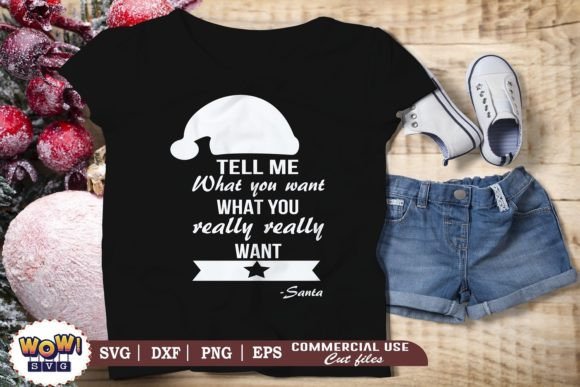
When you first download and open an SVG file intended for web use, your eye immediately scans for clarity, balance, and intent. The Tell Me What You Want Svg carries a vibe that is undeniably engaging. It leans into a playful yet confident aesthetic that feels right at home in lifestyle blogging, feminine entrepreneurship, and creative small business branding. The typography-driven nature of this illustration suggests a direct communication style—perfect for brands that want to speak clearly to their audience without shouting.
This isn’t just a decorative clip art; it is a statement piece. For editors and publishers, this means it works best when paired with clean, modern design principles. It creates an editorial mood that is approachable and interactive. If your niche involves personal development, creative hobbies, or community building, this asset supports a brand identity that values connection. However, if you are running a strictly corporate finance site or a serious legal advice portal, this graphic might feel too informal. It belongs in spaces where personality is part of the value proposition.
Real-World Publishing Applications
So, how do we actually use this in a workflow? Let’s look at a typical week for a digital publisher. You are preparing a new series of articles, designing lead magnets, and updating your social media presence. Here is where Tell Me What You Want Svg shines as a versatile tool.
- Pinterest Pins: Pinterest is a visual search engine, not just social media. A bold, text-forward graphic like this can stop the scroll. Use it as the background or overlay on your pin designs to drive traffic to affiliate marketing posts or listicles.
- Newsletter Headers: Your email subscribers expect consistency. Using this SVG in your Mailchimp or ConvertKit headers reinforces your brand identity every time they open an inbox.
- Digital Guides and Lead Magnets: When creating a downloadable PDF checklist or eBook cover, this graphic adds a professional touch. It signals to the user that the content inside is curated and valuable, increasing the perceived worth of your digital product.
- Website Banners and Hero Images: Place this on your homepage slider or category page to set the tone for your content. It acts as a visual anchor, guiding the reader into the article flow.
- Social Media Graphics: Whether for Instagram stories or Facebook ads, this asset helps maintain a cohesive look across platforms. It is easily scalable because it is vector-based, ensuring crisp edges on any screen size.
Impact on Content Performance
Why should you care about using high-quality graphics instead of generic stock photos? The answer lies in visual hierarchy and reader trust. When a website looks polished, readers subconsciously assume the content is well-researched and reliable. By integrating a custom-designed element like Tell Me What You Want Svg, you differentiate your site from competitors who rely on overused templates.
This asset supports stronger click-through potential by creating curiosity. The phrase itself invites interaction. In a content marketing strategy, this psychological nudge can improve engagement rates. Furthermore, consistent use of such distinctive elements builds a memorable visual identity. Over time, readers will recognize your posts before they even read the headline, simply because of the unique graphical language you employ.
Strategic Placement for Maximum Effect
To get the most out of this design asset, placement is key. It works exceptionally well in areas where you want to emphasize a call to action or highlight a specific topic. Consider using it as an editorial accent next to pull quotes or as a divider section within long-form articles. It breaks up text blocks effectively, reducing cognitive load for the reader.
For affiliate marketers, this graphic can be used to create comparison tables or "top picks" sections. The bold nature of the design draws the eye to the recommended products, potentially boosting conversion rates. Similarly, for online educators, it serves as an excellent title card for video courses or webinar landing pages.
Where to Exercise Caution
No single asset fits every scenario. While Tell Me What You Want Svg is versatile, there are contexts where it may not be the optimal choice. Avoid using this graphic in situations requiring extreme minimalism or formal authority. For example, a technical manual or a B2B whitepaper might find this style too casual.
Additionally, be mindful of scale. Because it likely contains intricate details or specific typographic weights, it may lose legibility if shrunk down to very small mobile thumbnails. Always preview your designs on actual devices. If the text becomes unreadable or the lines blur, the design fails its primary purpose: communication. Also, consider contrast. If your website has a busy background, this graphic might get lost. Ensure it stands out against your chosen color palette.
Practical Publisher Notes for Implementation
Before you upload this file to your WordPress media library or Canva account, keep these technical tips in mind to ensure professional results.
- Test Across Devices: View the SVG on desktop, tablet, and mobile. Check how it scales. Does it maintain its aspect ratio? Is it responsive enough for smaller screens?
- Check Contrast and Readability: Place the graphic over different background colors. Does it pop? If your theme uses dark mode, ensure the SVG adapts or has a transparent background that works well.
- Font Pairing: Experiment with pairing this graphic with various font styles. It often pairs beautifully with clean sans-serif fonts for body text, allowing the graphic to remain the focal point. It can also complement script fonts for a more artistic, boutique feel.
- File Size Optimization: Even though SVGs are lightweight, always check the final file size. Compress images properly using tools like TinyPNG (for raster backups) or SVGOMG (for vector optimization) to maintain fast page load speeds, which is crucial for SEO.
- Commercial Licensing: This is critical. Before using this asset on monetized websites, affiliate pages, or paid content products, confirm that you have the appropriate commercial license. Most reputable marketplaces provide clear terms, but skipping this step can lead to legal issues.
Final Thoughts on Visual Communication
The creator behind this asset, WOWSVGStudio, emphasizes customer satisfaction, promising a seamless experience for buyers. From a publisher’s perspective, ease of use and quality are paramount. Tell Me What You Want Svg delivers on both fronts. It is a ready-to-use solution that elevates the standard of your blog graphics and editorial design.
Whether you are a seasoned blogger looking to refresh your website header or a new entrepreneur building your small business branding from scratch, this illustration offers a strong foundation. It bridges the gap between artistic expression and functional design, helping you create content that not only informs but also inspires action.
In conclusion, integrating high-quality illustrations into your workflow is not just an aesthetic choice; it is a strategic one. By choosing assets like Tell Me What You Want Svg, you signal professionalism and attention to detail. Take the time to test it, tweak it, and integrate it into your content marketing mix. Your readers will notice the difference, and your engagement metrics will likely follow suit. Happy designing!