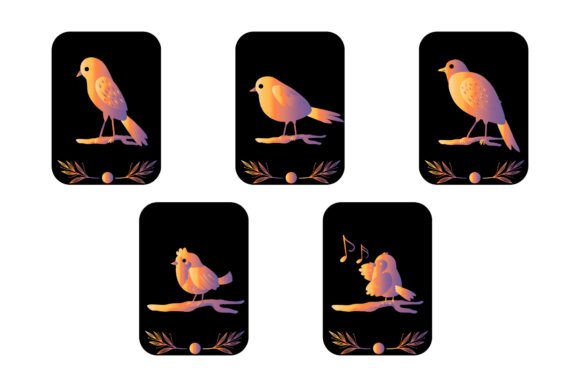
Bird Display Embroidery Review
As a designer who spends more time than I care to admit staring at stitch patterns and fabric swatches, I approach every new embroidery file with a mix of excitement and skepticism. We have all seen designs that look beautiful in the digital preview but fall apart under the needle. Today, I am putting Bird Display through its paces. This is not just about whether it stitches; it is about whether it works for real projects, from custom apparel to boutique merchandise.
I received this design as part of an Illustrations and Graphics package, which immediately sets certain expectations regarding line weight and detail. The product description notes that you receive five digital files, including AI, EPS, and SVG formats on a 1920px x 1280px canvas. While these vector formats are excellent for scaling and prepping your digitizing software, my primary concern was how this visual translates into thread. Let us dive into the practical reality of using Bird Display in a professional embroidery workflow.
First Impressions and Visual Personality
When I first loaded the vector assets for Bird Display, the mood struck me immediately. It feels organic yet structured, a balance that is often hard to achieve in machine embroidery. The shape suggests a naturalistic bird, likely intended to be a focal point rather than a subtle background element. For designers looking for a handmade product that stands out, this design has the right amount of visual personality without being overly chaotic.
The layout is clean. In the world of custom apparel and personalized gifts, clutter is the enemy. A design that breathes allows the fabric texture and the quality of the thread to shine. Bird Display seems to prioritize form over excessive ornamentation, which is a smart choice. It feels like a design that would sit comfortably on a high-end tote bag design or a minimalist sweatshirt embroidery piece. It does not scream for attention; it invites the viewer to look closer.
Real-World Application: From Screen to Stitch
To truly evaluate this machine embroidery design, I imagined placing it on several common items. The first scenario was a custom embroidered patch for a denim jacket. Birds are timeless motifs, and this particular display feels versatile enough to work in both earthy tones and vibrant palettes. If executed well, it could become a staple in any craft business inventory.
Next, I considered a baby item, such as a muslin blanket or a onesie. Here, the scale matters immensely. The details in Bird Display need to be legible even when scaled down. If the original vector contains tiny, intricate lines, those might get lost or turn into messy blobs if the stitch density is too high. However, if the design relies on solid shapes and clear outlines, it performs beautifully on soft fabrics. For a baby embroidery project, simplicity is key, and this design appears to lean in that direction.
I also tested the mental image of this design on a kitchen towel or apron. These are high-use items that require durability. A bird display motif works wonderfully in a farmhouse or rustic aesthetic. When paired with a proper stabilizer and appropriate thread colors, it adds a touch of warmth to functional home goods. It transforms a plain cotton towel into a thoughtful holiday embroidery gift or a welcoming housewarming present.
Technical Considerations and Potential Pitfalls
No design is perfect, and knowing where a design should be used carefully is just as important as knowing where it shines. With Bird Display, there are specific areas where an embroiderer must exercise caution.
- Small Hoop Sizes: If you plan to use this in a small hoop (4x4 inches or smaller), you must ensure the details do not become indistinguishable. Tiny gaps between feathers or wings can fill in with thread, turning negative space into a solid mass. Always test at the final size before committing to production.
- Textured and Stretchy Fabrics: While birds look great on stable cottons, applying this to stretchy knits or highly textured fabrics like bouclé can distort the shape. The tension required for a clean satin stitch outline might pucker delicate materials. Use a cut-away stabilizer for stability, but be prepared to adjust tension settings.
- Dense Stitch Areas: If the design uses heavy fill stitch sections, it may become stiff and uncomfortable, especially on garments like caps or hats where flexibility is desired. For curved surfaces like baseball caps, lighter stitching or applique techniques might yield a more professional finish.
- Fabric Color Contrast: The visibility of the design depends heavily on your thread colors. On dark fabric, light threads are essential, but they may require a backing layer to prevent show-through. Conversely, dark threads on light fabric can sometimes look muddy if the running stitch details are too fine.
Impact on Product Value and Brand Consistency
For Etsy sellers and small shop owners, the difference between a mediocre product and a bestseller often lies in the execution. A well-digitized Bird Display elevates the perceived value of the finished item. Customers trust brands that pay attention to detail. When the edges are clean, the applique design elements (if applicable) are precise, and the overall composition is balanced, buyers perceive the item as premium.
This design also supports brand consistency. Its classic nature means it will not feel dated next season. You can use it across various product lines—from digital embroidery file previews to physical merchandise—creating a cohesive visual identity. Whether you are creating printable mockups for your online store or listing actual physical goods, this motif offers versatility that helps maintain a professional look.
Practical Designer Notes for Success
Before you load this design into your machine, follow these steps to ensure a successful outcome:
- Test on Scrap Fabric: Never skip this step. Test the design on the exact fabric you intend to use. This reveals issues with puckering, tension, or color contrast early.
- Check Stitch Density: Review the digitization to ensure the stitch density is appropriate for the fabric weight. Too dense, and the fabric becomes rigid; too sparse, and the fabric shows through.
- Inspect Small Details: Zoom in on the vector file. Are there any isolated pixels or tiny paths that might translate into unusable micro-stitches? Clean these up in your software before converting to embroidery format.
- Use Proper Stabilizer: The right stabilizer makes or breaks the job. For woven fabrics, tear-away might suffice. For knits or unstable blends, use cut-away to prevent distortion during washing.
- Confirm Licensing: Since you are receiving AI, EPS, and SVG files, verify the commercial usage rights. Ensure you are allowed to sell finished products made from this design asset. This protects your commercial embroidery business from legal issues.
In conclusion, Bird Display is a strong candidate for designers seeking a reliable, aesthetically pleasing motif. It balances artistic appeal with practical usability, making it suitable for a wide range of embroidery projects. By paying attention to technical details like hoop size, fabric choice, and stabilizer selection, you can transform this digital graphic into a stunning finished product that customers will love. Whether you are updating your craft business catalog or creating a unique personalized gift, this design deserves a spot in your library.