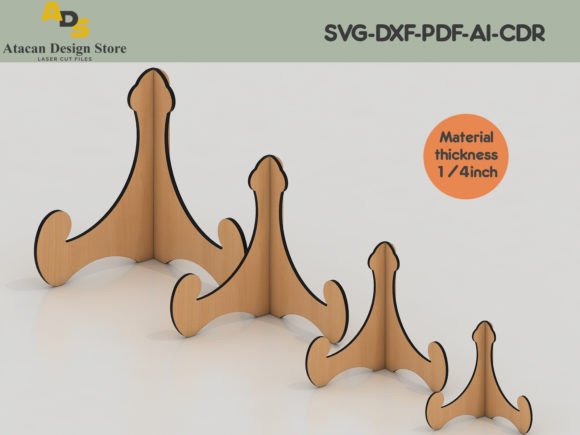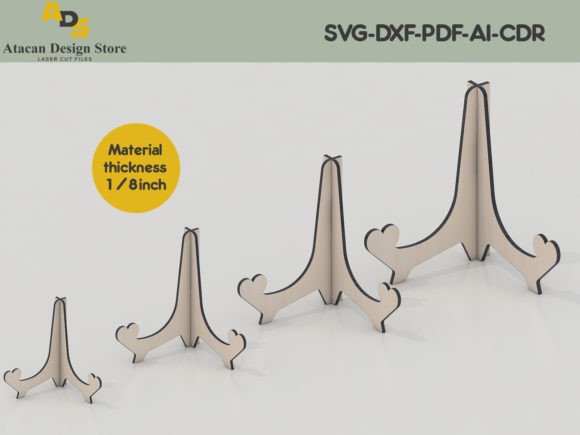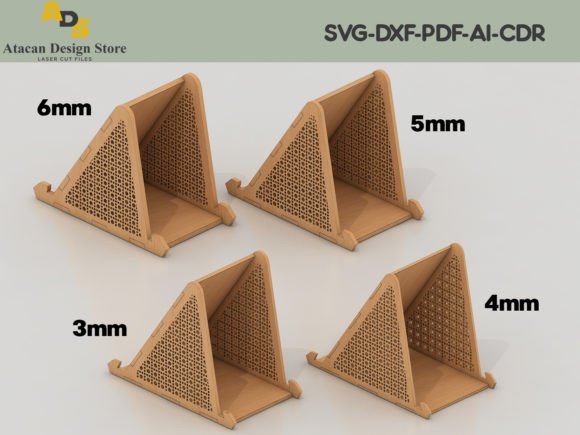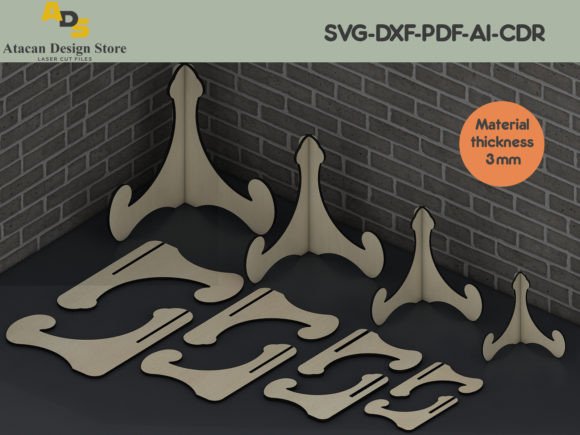
Easels Display Stand Laser Cut Files: Graphics for Graphic Templates
As a graphic designer who spends most of my day juggling brand identities, packaging layouts, and social media campaigns, I am constantly on the hunt for assets that bridge the gap between digital precision and tactile charm. Recently, I evaluated a set of Easels Display Stand Laser Cut Files to determine if they could serve as a viable component in a real-world client project. The goal was simple but demanding: create a cohesive visual identity for a boutique candle company launching a new seasonal line. The client wanted something that felt handmade yet professional, rustic yet modern. This review explores whether these files deliver on that promise.
First Impressions and Visual Mood
When I first opened the package, the immediate takeaway was the clean, structured nature of the design. Unlike many clipart or illustration elements that feel overly ornate or dated, this graphic design asset carries a sense of quiet elegance. The easel motif is iconic, instantly communicating creativity, display, and presentation. It evokes a mood of artisanal craftsmanship without leaning too heavily into cliché farmhouse aesthetics. For a small business branding project, this is crucial; you want the visual language to support the product, not overpower it.
The style represents a blend of modern design principles with traditional craft sensibilities. It feels appropriate for a wide range of industries, from art supplies and educational materials to home decor and gift items. In the context of my client’s candle launch, the easel served as a perfect anchor for the brand identity, suggesting that their products are worthy of display. It adds emotional appeal by hinting at the care taken in both creation and presentation.
Performance in Real Design Situations
I tested these files across various mediums to see how they hold up under pressure. Here is how they performed in key areas:
- Packaging Design: The laser-cut aesthetic translates beautifully to physical packaging. When used on hang tags or box inserts, the design adds a layer of perceived value. It suggests that the contents are premium and carefully considered.
- Social Media Graphics: For Instagram posts and Pinterest pins, the easel works well as a framing device. Placing product mockups inside the easel shape creates a natural focal point. It breaks up the monotony of standard square or rectangular layouts.
- Merchandise and Print-on-Demand: I applied the design to t-shirt designs and tote bags. The vector nature of the file ensures crisp edges even when scaled up. It holds its integrity on fabric, making it a strong candidate for print-on-demand sellers looking for unique apparel graphics.
- Digital Products: As a digital product itself, this asset is versatile. It can be incorporated into Canva templates for educators or artists selling their own resources. The simplicity allows designers to overlay text easily, creating invitations, certificates, or promotional flyers.
Where the Asset Shines
Certain contexts allow this design element to truly excel. It is particularly effective in large layout areas where it can act as a hero graphic. Imagine a website header featuring a subtle easel silhouette behind a bold headline—it immediately sets the tone for an artistic or creative service.
It also serves as an excellent decorative accent in editorial design. For blog visuals or magazine layouts discussing DIY projects, art tutorials, or home organization, the easel provides a relevant visual cue without being distracting. In packaging details, such as window cutouts or embossed logos, the intricate lines of a laser-cut file can add texture and depth that flat graphics cannot achieve.
For handmade business owners, this asset supports a narrative of authenticity. It fits naturally within themed collections, such as "Artist Studio Essentials" or "Creative Home Decor." When used in campaign visuals, it helps unify disparate elements by providing a consistent visual metaphor for display and showcase.
Areas Requiring Caution
Despite its strengths, no asset is universally perfect. There are specific scenarios where using Easels Display Stand Laser Cut Files requires careful consideration. In minimalist branding projects, the detail level might be too high. If your client’s aesthetic relies on negative space and extreme simplicity, this graphic could introduce visual noise.
Avoid placing this asset in crowded layouts. If you are designing a flyer with dense text and multiple images, the easel may compete for attention rather than supporting the hierarchy. Similarly, on low-contrast backgrounds, especially dark ones, the fine lines of a laser-cut design can disappear or become muddy. Always test for readability and visual clarity before finalizing the design.
For professional corporate materials requiring strict visual hierarchy, this asset might feel too casual or whimsical. It is better suited for lifestyle brands, creative agencies, or consumer-facing products rather than B2B financial or legal services. Be mindful of the overall impression you wish to convey; this design builds trust through warmth and creativity, not necessarily through rigid professionalism.
Practical Designer Notes
Before integrating any design asset into a commercial project, rigorous testing is non-negotiable. Here are my essential checks:
- Format Verification: Ensure you have the correct file formats. These files are ideal for machines using SVG, DXF, PDF, AI, and CDR files. Verify that the vector paths are closed and editable. If you are using a SVG design for cutting, check that there are no unnecessary nodes.
- Contrast Testing: Preview the asset in black and white. Check how it performs on both light and dark backgrounds. A good graphic template should maintain legibility regardless of the background color.
- Scale Testing: View the design at small sizes (like a favicon or sticker) and large sizes (like a poster). Does it lose detail? Is it still recognizable? This is critical for sticker design and t-shirt design applications.
- Mockup Integration: Place the asset on real mockups. See how it interacts with shadows, lighting, and textures. This helps gauge how it will look in a product mockup for marketing visuals.
- Font Pairing: Experiment with different typography styles. A serif font might lend a classic, trustworthy feel, while a sans serif font keeps it modern and clean. Avoid pairing it with overly decorative script fonts unless the entire composition is balanced.
- Licensing: Most importantly, confirm the commercial license. Ensure you have the right to use the asset for client work, resale, and unlimited prints. Ambiguity here can lead to legal issues down the line.
Final Verdict
In conclusion, Easels Display Stand Laser Cut Files are a valuable addition to any designer’s toolkit. They offer a blend of aesthetic appeal and functional versatility that suits a wide array of creative marketplace needs. Whether you are creating marketing visuals for a local event, designing web design elements for an artist portfolio, or producing Etsy products for global buyers, this asset provides a solid foundation.
Its ability to enhance visual hierarchy while adding a touch of artisanal charm makes it suitable for sublimation design, clipart collections, and illustration overlays. However, success depends on thoughtful application. By respecting contrast, scale, and context, designers can leverage these files to create polished, professional results that resonate with audiences. For those seeking a reliable design bundle component that elevates creative design efforts, these laser cut files stand out as a practical and stylish choice.