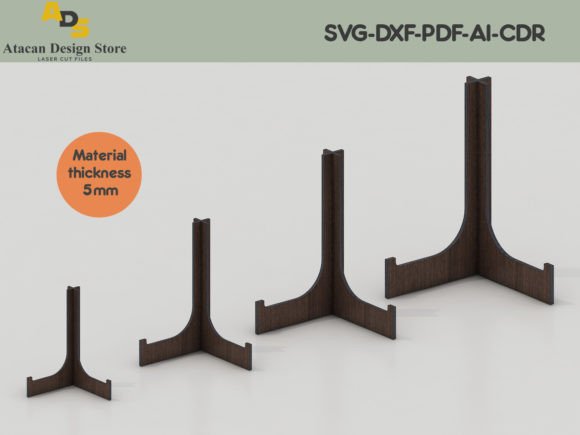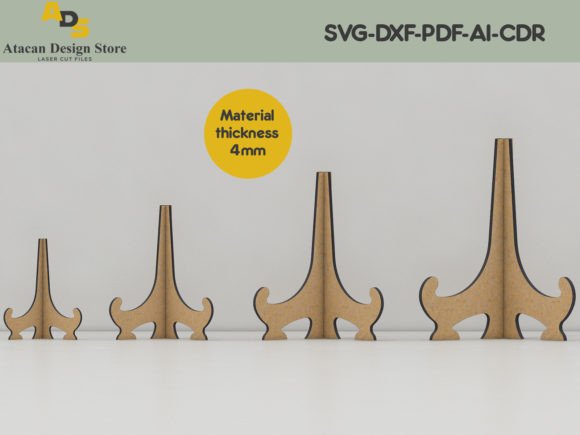
Display Stands Plate Holder Phone Hold Review
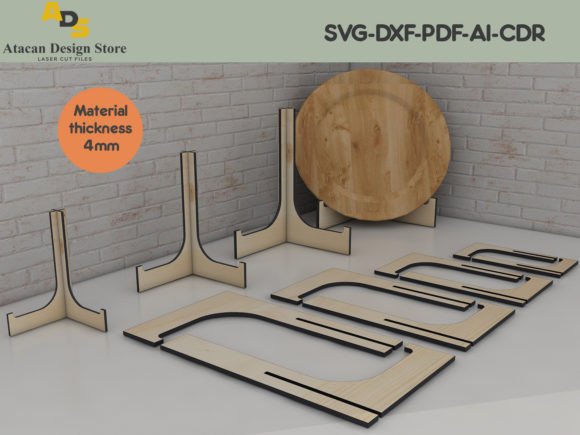
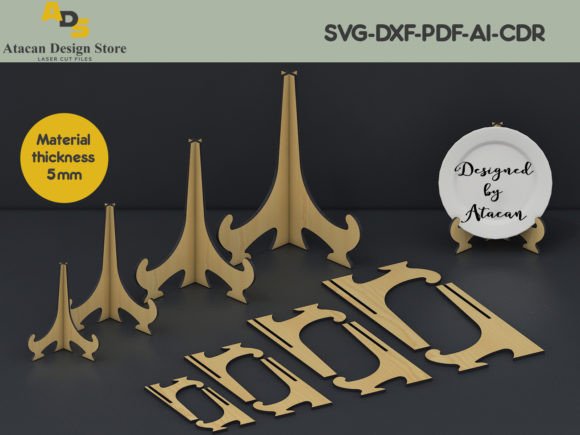
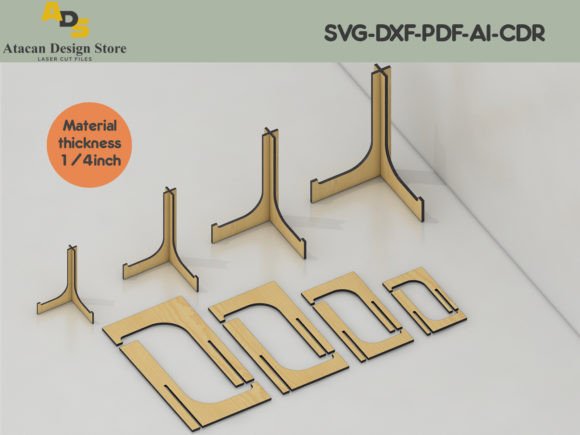
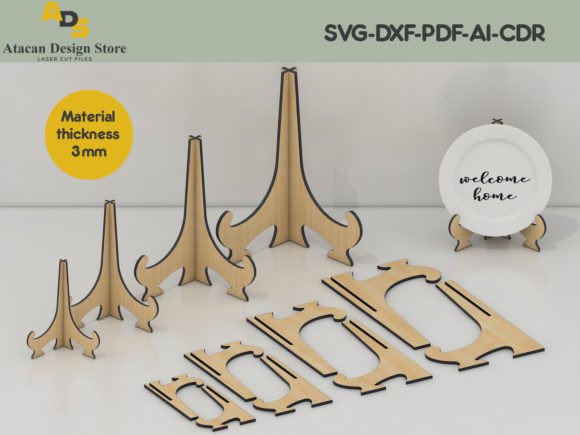
As a designer who spends more time than I care to admit staring at stitch density charts and testing thread tension, I approach every new digital asset with a healthy dose of skepticism. We have all been there: downloading what looks like a pristine vector or embroidery file, only to find it falls apart when pushed against the limits of a real sewing machine. Today, I am evaluating the Display Stands Plate Holder Phone Hold design. While the product description highlights its utility for laser machines like the Glowforge Pro—supporting SVG, DXF, PDF, AI, and CDR formats—I want to look at this from the perspective of an embroidery professional. How does this graphic translate when converted into a machine embroidery design? Does it hold up as a viable option for custom apparel, boutique branding, or high-end personalized gifts?
First Impressions and Visual Personality
The moment you load the files associated with the Display Stands Plate Holder Phone Hold, the visual personality is immediately clear. This is not a delicate floral motif or a complex, narrative-heavy scene. It is structural, functional, and modern. The layout suggests a clean, geometric aesthetic that relies on strong lines and defined shapes. For an embroiderer, this is often a breath of fresh air. Designs that mimic physical objects or industrial tools require precision. If the angles are off or the curves are jagged, the final stitched result can look amateurish. However, this design seems to possess a confident silhouette that promises clarity.
The mood created by this design is one of organization and utility. It feels right at home in a workspace setting, a modern kitchen, or a tech-savvy lifestyle brand. When I imagine this stitched onto a canvas tote bag or a heavy-duty apron, it doesn’t just sit there; it communicates purpose. It appeals to the maker, the crafter, and the small business owner who values efficiency. The detail level is sufficient to be recognizable without being so intricate that it risks becoming a muddy mess of thread. This balance is crucial for any embroidery project intended for mass production or quick turnaround times.
Real-World Application: From Screen to Stitch
Let’s talk about where this design truly shines. In my experience, the best embroidery files are those that bridge the gap between digital aesthetics and tactile reality. I recently considered using a similar structural graphic for a batch of custom sweatshirts destined for a local tech startup’s holiday gift. The goal was to create something that felt professional yet approachable. The Display Stands Plate Holder Phone Hold concept would fit perfectly here.
Imagine this design embroidered on a thick, heather-gray fleece sweatshirt. The contrast between the soft fabric and the structured, almost architectural nature of the design creates a sophisticated texture. It works beautifully as a chest logo or even as a larger back print if scaled appropriately. Similarly, for an Etsy seller focusing on handmade products, this design could be adapted for embroidered patches. These patches could then be ironed or sewn onto denim jackets, backpacks, or caps, adding a layer of personalization that customers love.
Another compelling use case is in the realm of custom apparel for professionals. Think of a tailored vest or a high-quality polo shirt for a retail employee. The design conveys readiness and order. It is subtle enough not to overpower the wearer but distinct enough to serve as a conversation starter. For commercial embroidery businesses, this means higher perceived value. A client isn’t just buying a t-shirt; they are buying a branded identity piece that looks intentional and well-designed.
Apparel and Accessories
- Tote Bags: On a sturdy cotton canvas, the design holds its shape well. It complements the ruggedness of the material, making it ideal for market vendors or library volunteers.
- Caps and Hats: When digitized correctly, the linear elements can follow the curve of a cap front panel. It offers a modern twist on traditional hat embroidery.
- Kitchen Towels: For the culinary enthusiast, a stylized version of this holder could add a touch of whimsy to a tea towel set, provided the color palette is kept neutral.
Technical Considerations and Pitfalls
No design is perfect, and as a reviewer, my job is to highlight where caution is needed. The primary challenge with any graphic that mimics rigid objects is translating 3D depth into 2D stitching. If the original vector has too many tiny, disconnected details, the digitizer might struggle to place them accurately within a standard hoop size.
I strongly advise testing this design on scrap fabric before committing to expensive materials. Pay close attention to the stitch density. Areas that represent the "holder" mechanism should be dense enough to stand up but not so dense that the fabric puckers. If you are working with stretchy fabric like jersey knit, you must use a stabilizer that provides adequate support, otherwise, the geometric lines may distort during washing.
Color contrast is another critical factor. Since the design likely features dark lines or solid fills, it will pop beautifully on light backgrounds. However, on dark fabrics, you will need to plan your thread colors carefully. Using a white underlay or a contrasting border can help define the edges. Also, be mindful of the fabric texture. On highly textured materials like bouclé or chunky wool, fine details may get lost. This design is best suited for smooth to medium-texture fabrics where the stitches can lay flat and crisp.
Where to Use Carefully
- Small Hoop Sizes: If the design includes tiny text or minute mechanical details, ensure your hoop is large enough to accommodate the entire image without trimming.
- Dense Stitch Areas: Avoid placing high-density sections directly over seams or pockets, as this adds bulk and discomfort.
- Frequent Washing: For items like baby clothes or kitchen towels, verify that the thread quality and stitch placement will withstand repeated laundering without fraying.
Final Verdict for Designers and Sellers
The Display Stands Plate Holder Phone Hold is more than just a decorative graphic; it is a statement of functionality. For the creative entrepreneur looking to expand their design assets, this file offers versatility. It fits seamlessly into categories like office supplies, tech accessories, and organizational gifts. The fact that it is available in multiple formats (SVG, DXF, etc.) means you can also use it for vinyl cutting or laser engraving, creating a cohesive multi-medium product line.
However, remember that the success of any handmade product lies in the execution. Take the time to inspect the digitization. Check the corners, review the jump stitches, and ensure the satin stitch borders are clean. Test it in black and white mockups to see how the negative space interacts with the positive elements. By doing your due diligence, you transform a simple graphic into a professional-grade asset that builds customer trust and enhances your brand consistency.
In conclusion, this design is a strong candidate for anyone looking to add a touch of modern utility to their embroidery repertoire. It is practical, visually appealing, and adaptable. Whether you are crafting a personalized gift for a friend or stocking your shop with small shop products, the Display Stands Plate Holder Phone Hold deserves a spot in your workflow. Just remember: test first, stitch wisely, and let the quality of your work speak for itself.