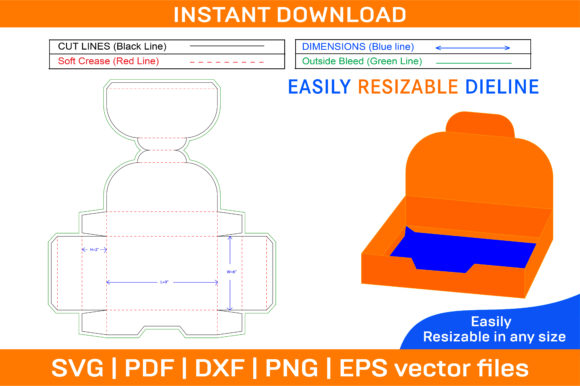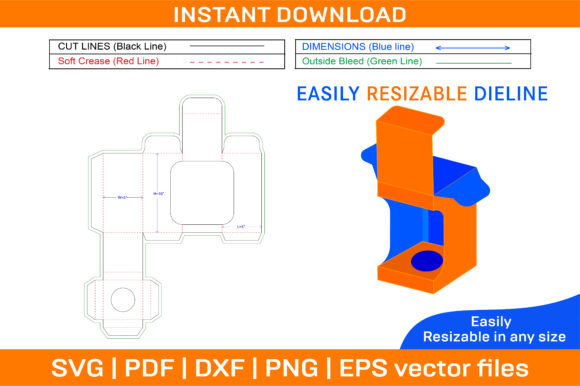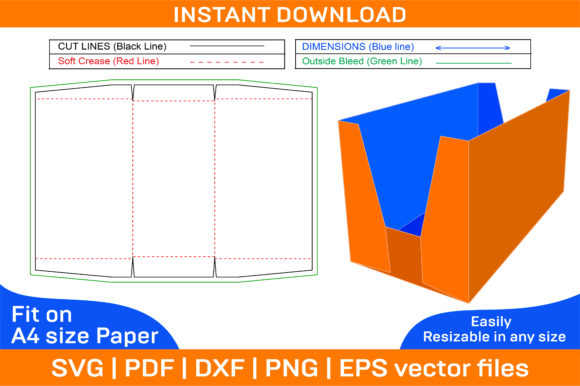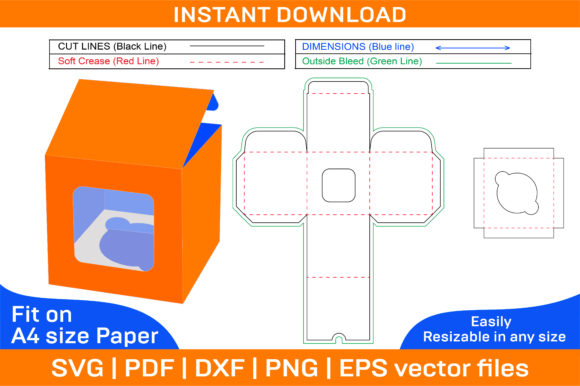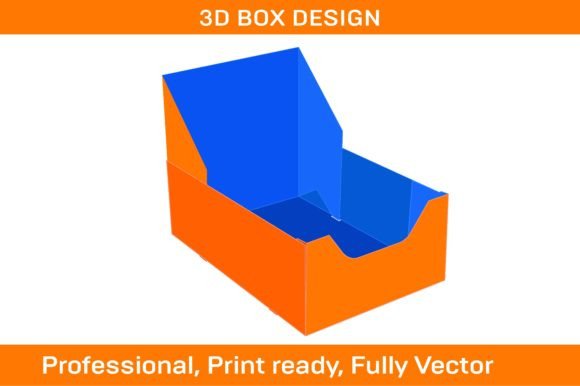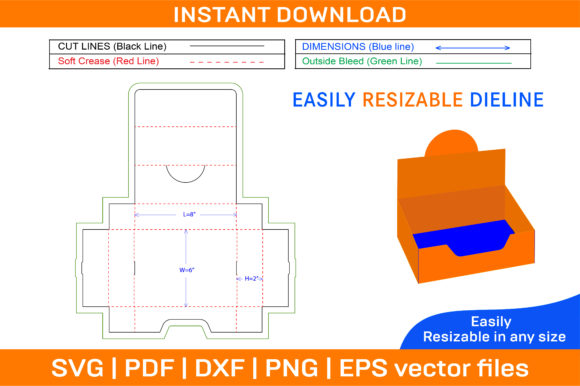
Display Cardboard Box Dieline Template for Graphics and Print Templates
When I sit down to plan a new product launch for my digital shop, the first thing I look for is versatility. I am not just looking for a pretty image; I am looking for a graphic design asset that can survive the rigors of commercial use. Recently, I evaluated a file labeled as a Display Cardboard Box Dieline Template, and it immediately caught my eye. As someone who creates digital products for Etsy, Creative Fabrica, and Shopify, I know that packaging is often the silent salesman. This template does not just offer a flat layout; it provides a comprehensive solution for creating 3D box designs, paper boxes, folding boxes, and foldable boxes.
The ZIP archive contains SVG, PDF, EPS, DXF, AI, and PNG files. This variety is crucial for a modern seller. It means that whether you are a Cricut user needing precise cut lines or a Canva template seller looking for high-resolution visuals, this asset has a place in your workflow. Below, I break down how I tested this Print Templates category item and why it might be a valuable addition to your Grahpics library.
First Impressions and Visual Personality
Upon opening the folder, the first thing I noticed was the clean structure of the dieline. In the world of packaging design, a messy dieline is a nightmare. This one felt professional, with clear fold lines and bleed areas accounted for. The visual personality of a cardboard box is inherently rustic yet commercial. It suggests something tangible, handmade, and premium. Unlike glossy, generic stock photos, a die-cut box implies care and attention to detail.
This aesthetic appeals strongly to buyers of handmade business goods. Whether you are selling jewelry, candles, or digital planners, presenting them in a branded box elevates the perceived value. The template allows you to create a cohesive brand identity. It feels modern and minimal, which makes it easy to overlay your own artwork without clashing. For creative entrepreneurs, this is a mood booster because it bridges the gap between digital creation and physical reality.
Real-World Testing: From File to Product
I decided to test this display cardboard box dieline template by creating a mock collection for a hypothetical seasonal sale. Here is how the different file formats performed in real-world scenarios.
- SVG Design for Cricut Projects: The SVG file was crisp and well-layered. I imported it into Silhouette Studio to check the cut lines. They were accurate, making it perfect for crafting physical boxes for small businesses. This is ideal for sellers who want to offer "DIY Packaging Kits" as a niche product.
- PNG Design for Mockups: The PNG files included transparency, which saved me hours of masking work. I placed my own logo onto the box faces using Photoshop. The result looked like a high-end product mockup ready for an Etsy listing.
- AI and EPS for Vector Editing: As a designer, I appreciated the editable vector paths. I could easily adjust the dimensions to fit standard shipping sizes or custom boutique boxes. This flexibility is key for any commercial design work.
- DXF for Laser Cutting: For those working with wood or acrylic displays, the DXF file provided precise coordinates. This expanded the potential use cases beyond just paper crafts.
Integrating Into Your Digital Product Line
One of the biggest questions sellers have is: "How do I sell this?" The answer lies in bundling and application. A single box template is okay, but a design bundle is profitable. Here is how I integrated this asset into various product categories:
- Printable Wall Art and Nursery Prints: You can create frames that look like open boxes containing art prints. This adds depth to your printable design offerings.
- Sticker Design and Planner Stickers: Create sticker sheets that feature cute box illustrations. These are popular among crafters who love journaling and organization.
- Mug Design and T-Shirt Design: Use the box shape as a background element for typography-based designs. A phrase like "Open for Business" inside a box outline works well for sublimation design on mugs and tote bags.
- Social Media Graphics: Use the 3D perspective to create eye-catching thumbnails for YouTube or Pinterest. A 3D box popping out of a flat background increases click-through rates.
- Invitation Templates: Design wedding or party invitations that unfold like a box. This interactive element is a unique selling point for greeting cards and event stationery.
Strategic Use for Market Listings
In the crowded landscape of a creative marketplace, visual hierarchy is everything. This display cardboard box dieline template helps you build trust through presentation. When a customer sees a professionally rendered 3D box, they assume the digital files inside are equally professional.
I used the template to create a series of listing images. By showing the box in different angles—front, side, and open—you provide a complete visual story. This reduces customer hesitation. For small business branding, consistency is key. If you use this same box style across all your product launches, customers will start to recognize your brand instantly. It becomes a signature element of your shop’s aesthetic.
Where to Use It Carefully
While this asset is versatile, it is not a magic bullet for every situation. There are specific contexts where this illustration might fail:
- Tiny Sticker Details: If you are designing tiny decals, the complex folds of a box might become illegible. Keep the design simple for small-scale applications.
- Low-Resolution Print Products: Always verify the file resolution before sending to print. While the vector files are infinite, the raster previews (PNG) must be high enough quality to avoid pixelation when zoomed in on large posters.
- Crowded Thumbnails: On mobile devices, intricate box details can get lost. Ensure your main focal point is clear and bold when viewed at thumbnail size.
- Dark Backgrounds: Cardboard textures can sometimes lose contrast on dark backgrounds. Test your color palette carefully to ensure the box stands out.
Practical Seller Notes for Success
To maximize the ROI on this digital download, follow these practical steps before publishing:
First, test the design on real mockups. Don't just rely on the software preview. Place your final design in a realistic environment to see how light and shadow affect the perception of the box. Second, preview it as a marketplace thumbnail. Does it pop? Is the text readable? Third, check how it looks on white and dark backgrounds. Versatility is a major selling point, so show customers both options.
Furthermore, organize files clearly for customers. Include a readme.txt file explaining which format is best for which purpose. Pair the box graphics with complementary fonts. A serif font adds elegance, while a handwritten font adds a personal touch. Consider offering the box as part of a larger brand identity kit that includes business cards and social media banners.
Finally, confirm commercial licensing before selling finished products. Most dieline templates allow you to sell items made from them, but you cannot resell the raw template itself as your own original work. Read the license agreement carefully to protect your Etsy product listings from takedowns.
Final Verdict
The Display Cardboard Box Dieline Template is more than just a file; it is a tool for elevating your entire brand presence. It supports visual storytelling and enhances the perceived value of your digital assets. Whether you are creating print-on-demand merchandise, scrapbooking kits, or premium digital paper packs, this template provides the structural foundation you need. It is a smart investment for any content creator or designer looking to streamline their workflow and produce higher-quality, more professional-looking products.