Dancing Silhouettes Vector Dancing SVG Review
As a designer who spends half my day troubleshooting stitch errors and the other half dreaming up new product lines, I approach every new digital asset with a mix of excitement and skepticism. We have all been there: you find a graphic that looks perfect on screen, but when it hits the hoop, it falls apart. Today, I am putting Dancing Silhouettes Vector Dancing SVG through its paces. This isn’t just about whether the file opens correctly; it is about how this design translates from a vector shape into a tangible, sellable handmade product. If you are an Etsy seller, a small business owner, or a serious hobbyist looking to expand your craft business offerings, understanding the practical application of this design is crucial before you commit to production.
The First Impression: Mood and Visual Personality
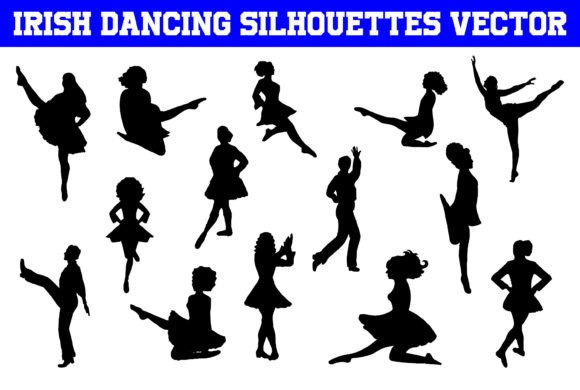
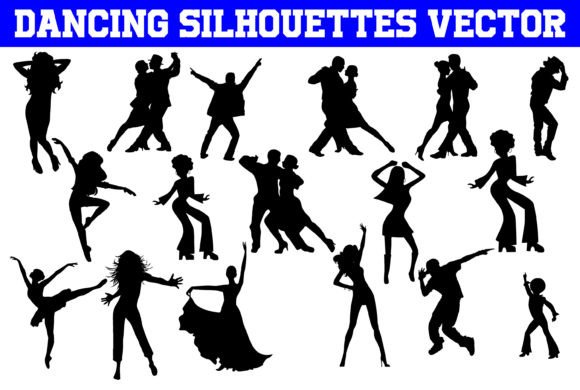
When you first load Dancing Silhouettes Vector Dancing SVG into your digitizing software or cutting program, the immediate takeaway is its dynamic energy. The silhouette format is timeless for a reason—it relies on strong outlines rather than complex internal details that can get lost in stitching. For an embroidery project, this is a massive advantage. Solid shapes translate beautifully because they do not require delicate satin stitches to define tiny features like eyes or fingers, which are often the first things to fray or disappear after washing.
The mood here is celebratory yet elegant. It suggests movement, joy, and connection. This makes it incredibly versatile. It does not feel tied to one specific season or event. Instead, it sits comfortably in a broad category of emotional gifting. Whether you are creating a personalized gift for a wedding anniversary or a fun holiday embroidery piece for a family reunion, the theme resonates without being overly literal. The visual personality is clean and modern, which aligns perfectly with current trends in boutique branding and minimalist aesthetic preferences among consumers.
Real-World Application: From Screen to Stitch
Let’s talk about where this design truly shines. In my experience testing various graphics for commercial use, silhouettes perform exceptionally well on apparel and home decor items where the fabric texture plays a role. Imagine a custom embroidered tote bag made of sturdy canvas. Placing Dancing Silhouettes Vector Dancing SVG on the front pocket creates a striking contrast, especially if paired with high-contrast thread colors. The solid black or dark navy thread against natural canvas will pop, creating a professional look that elevates the perceived value of the item.
Similarly, this design works wonders for sweatshirt embroidery. Think of a cozy cream-colored hoodie featuring these dancers in white or gold thread. It feels luxurious and personal. For baby clothes, the soft curves of the silhouettes are gentle and appropriate, making it a safe choice for nursery decor or baby shower favors. However, the true test for any machine embroidery design is its scalability. Because this is a fully editable vector, you can shrink it down for a chest logo on a cap or expand it to cover the back of a jacket. The shapes remain crisp at various sizes, provided you adjust the digitization settings appropriately.
I also see great potential for embroidered patches. If you are selling accessories to craft fair attendees, a square patch featuring two dancing figures is an easy, quick-to-produce item that customers love. It requires less time to stitch than a detailed portrait, allowing you to increase your throughput while maintaining quality. For commercial embroidery projects, such as corporate retreat shirts or team-building event merchandise, this design conveys unity and fun without being too casual or too stiff.
Where to Exercise Caution
While this design is robust, no single file is a magic bullet for every situation. There are specific scenarios where Dancing Silhouettes Vector Dancing SVG might struggle if not handled with care. First, consider small hoop sizes. If you attempt to digitize this design for a very small area, such as a hat brim or a tiny keychain tag, the negative space between the dancers might become too narrow. This can lead to puckering or thread breaks. Always check the bounding box dimensions before finalizing your digitization.
Another critical factor is fabric choice. While silhouettes work well on stable fabrics like cotton twill or denim, they can be problematic on stretchy fabric unless you use a heavy-duty stabilizer. On thin, sheer materials, the density of the fill stitches required to make the silhouette opaque might cause the fabric to distort. Additionally, avoid using this design on highly textured fabrics like chunky knits or fleece unless you are prepared for the background noise to interfere with the clean edges of the silhouette. The sharp contrast that makes this design work relies on a relatively smooth canvas.
Furthermore, think about the end-user’s lifestyle. If you are selling kitchen towels or aprons that will undergo frequent, high-heat washing, ensure your stitch density is optimized for durability. Excessive fill stitches can hold moisture and detergent, leading to fading or stiffness over time. A lighter touch with the digitization can preserve the hand-feel of the garment while still delivering the visual impact of the dancing figures.
Designer Notes for Optimal Results
To get the most out of Dancing Silhouettes Vector Dancing SVG, follow these practical steps before committing to a full production run. First, always test the design on scrap fabric that matches the weight and stretch of your final material. This allows you to assess how the stabilizer interacts with the fabric and whether the hoop size is sufficient to prevent shifting.
Pay close attention to thread colors. Silhouettes rely entirely on contrast. If you choose a color palette that is too similar to the fabric, the design will vanish. Use a black-and-white mockup tool in your software to verify that the shapes remain distinct. Also, inspect the small details. Even though silhouettes are simple, the curves need to be smooth. If your digitizing software introduces jagged edges, take the time to refine the bezier curves in the vector file before importing it into your embroidery machine.
Consider the presentation of your finished product. When photographing your handmade items for an online shop, lighting can make or break the perception of quality. Ensure that the shadows cast by the raised embroidery enhance the depth of the silhouettes rather than obscuring them. For digital sellers offering this as a printable mockup or design asset, provide clear instructions on how to scale and place the design, as this reduces customer support inquiries and increases buyer confidence.
Final Verdict on Value and Versatility
In conclusion, Dancing Silhouettes Vector Dancing SVG is a strong contender for any designer’s library. It offers a balance of emotional resonance and technical reliability that is hard to find. It is not overly complicated, which means fewer errors and faster production times, yet it has enough character to stand out in a crowded market. Whether you are creating a unique custom apparel piece for a client or stocking your shelves with trendy small shop products, this design provides a solid foundation.
It fits seamlessly into the categories of Crafts and Graphics, bridging the gap between digital creation and physical reality. By respecting the limitations of fabric and hoop size, and by focusing on high-contrast execution, you can turn this simple vector into a premium offering. For the creative entrepreneur looking to add a touch of elegance and movement to their portfolio, this design is worth the investment. Just remember to check the licensing terms if you plan to sell finished items commercially, and always prioritize quality control in your digitization process. With careful execution, Dancing Silhouettes Vector Dancing SVG can become a staple in your collection of reliable, best-selling designs.