CUTE Keyring Display Card Review
As a designer who spends more time staring at stitch charts and fabric swatches than sleeping, I have developed a fairly strict filter for digital assets. The market is flooded with "cute" designs that look charming on a screen but fall apart under the needle. When CUTE Keyring Display Card landed in my inbox, I didn't just glance at the preview image; I immediately began dissecting its potential for real-world application. My goal was to determine if this design holds up as a viable asset for serious craft business owners, Etsy sellers, and professional embroidery decorators, or if it is merely another decorative filler piece destined for the bottom of a hard drive.
First Impressions and Visual Personality
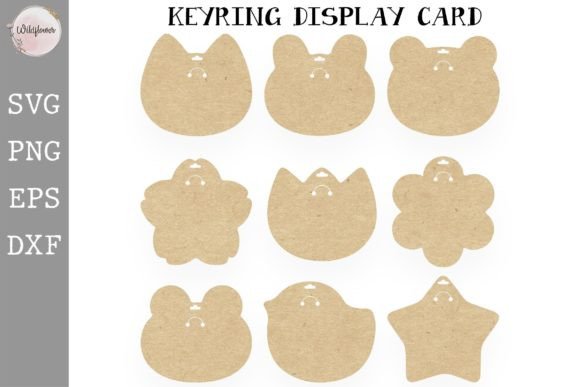
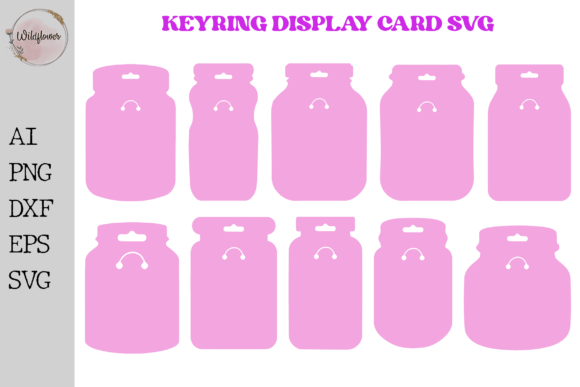
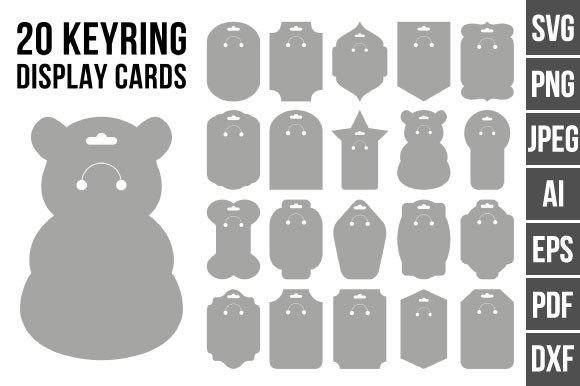
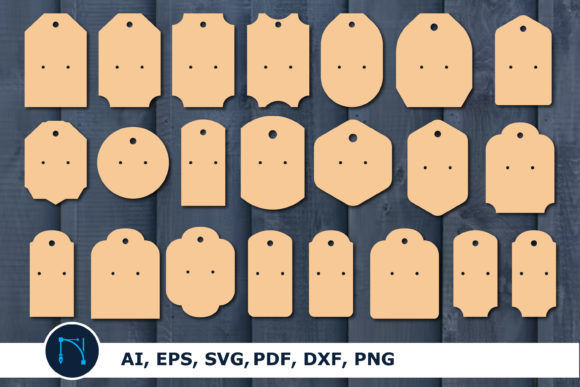
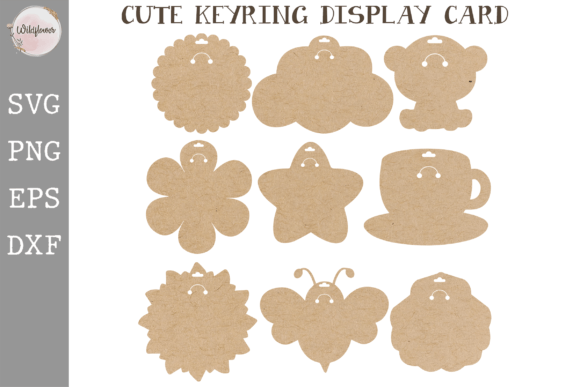
The moment you load the file into your digitizing software, the layout speaks volumes. This isn't just a standalone motif; it is structured as a display card, which immediately suggests a specific use case: retail-ready packaging. For small shop owners and handmade product creators, the presentation is often half the battle. A well-designed display card elevates a simple keyring from a cheap trinket to a boutique-quality gift item.
Visually, the design strikes a balance between playful and clean. It avoids the overly complex clutter that often leads to stitching errors. The theme feels versatile enough to fit into several distinct niches, from baby showers and nursery decor to general holiday gifting. The visual personality is warm and inviting, creating an immediate emotional connection with the end buyer. However, as any experienced embroiderer knows, "cute" can easily tip over into "childish" if the line work is too thin or the details are too fine. In this case, the primary shapes appear robust, suggesting they will translate well into thread without losing their character.
Real-World Application: From Screen to Stitch
I decided to put CUTE Keyring Display Card through a practical stress test. My scenario involved creating a custom embroidered patch intended to be attached to a tote bag design for a local craft fair. The goal was to produce a cohesive set of merchandise where the patch served as both a functional attachment and a branding element.
When evaluating how this design performs in actual embroidery situations, versatility is key. While the file name suggests a display card, the core graphic elements can be repurposed. Imagine using the central motif as a chest logo on a sweatshirt embroidery project or as a focal point on a baby onesie. The design’s simplicity makes it ideal for custom apparel where readability from a distance is crucial. On a busy fabric texture, like denim or a heavy canvas tote bag, simpler lines tend to stand out better than intricate, lace-like patterns that might get lost in the weave.
Furthermore, for those selling digital products, this design offers excellent utility. If you are a digital product seller creating printable mockups, having a clean, transparent background PNG allows you to superimpose the design onto various backgrounds seamlessly. This is invaluable for Etsy listings where you need to showcase how a physical product might look without photographing every single variation. It serves as a high-quality design asset that saves time during the listing creation process.
Where Caution Is Required
However, not every surface is created equal, and there are specific areas where CUTE Keyring Display Card requires careful handling. If you plan to stitch this onto curved surfaces like caps or hats, you must be mindful of the distortion that occurs when flat fabric is pulled taut over a curved form. Small details in the corners of the display card layout might stretch or warp, so testing on a scrap piece of the final fabric is non-negotiable.
Additionally, consider the stitch density. If the design includes dense fill stitches, applying it to thin or stretchy fabrics can cause puckering. For personalized gifts like aprons or kitchen towels made of lightweight cotton, ensure you are using the proper stabilizer—likely a cut-away for stability—to prevent the fabric from distorting during the wash cycle. Dark fabrics also pose a challenge; if the design relies on light thread colors for contrast, you may need to add a backing layer or choose a different color palette to maintain visibility.
Impact on Product Value and Brand Consistency
In the world of craft business, perceived value is everything. A poorly executed embroidery job can make even the most expensive materials look cheap. Conversely, a clean, well-digitized design like this one builds customer trust. When a buyer receives a handmade product with crisp satin stitches and no loose threads, they perceive higher quality. This design, with its clear structure, supports a professional finish that aligns with brand consistency.
For commercial embroidery projects, efficiency matters. Designs that are easy to hoop and stable during stitching reduce production time. If CUTE Keyring Display Card minimizes trimming time and reduces the risk of rehooping, it becomes a financially sound choice for high-volume orders. The aesthetic appeal also drives buyer engagement; customers are more likely to share photos of adorable, well-made items on social media, providing free marketing for your small shop product.
Practical Designer Notes for Implementation
Before committing to a full production run, follow these essential steps to ensure success:
- Test on Scrap Fabric: Always stitch a test version on the exact fabric you intend to use. This reveals issues with tension, thread pull, or fabric compatibility before you waste materials on a customer's order.
- Check Thread Color Contrast: View your design in black and white mockups to ensure sufficient contrast. What looks vibrant in color might disappear against certain fabric tones.
- Review Stitch Density: Inspect the density settings in your software. If the design is too dense for the fabric weight, adjust the parameters to prevent stiffness or puckering.
- Confirm Hoop Size: Ensure the design fits comfortably within your machine’s hoop size, leaving adequate margin for hooping clips and stabilizer placement.
- Inspect Small Details: Zoom in on the finest lines. If they are below 0.5mm, they may not stitch cleanly on most home machines. Consider simplifying or enlarging these elements if necessary.
- Verify Licensing: Crucially, check the license terms provided with the EPS, SVG, DXF, and PNG files. Confirm whether you are permitted to sell finished physical goods derived from the design. Commercial rights vary widely, and assuming permission can lead to legal issues.
Final Verdict
CUTE Keyring Display Card is a thoughtful, practical addition to the toolkit of any embroidery designer looking to expand their offerings. It bridges the gap between a simple graphic and a functional packaging solution, making it particularly valuable for handmade product creators who want to offer a polished, ready-to-gift experience. While it requires standard precautions regarding fabric choice and stabilizer use, its clean aesthetic and versatile layout make it a strong candidate for holiday embroidery collections, baby embroidery lines, and everyday craft business inventory. If you are an Etsy seller aiming to increase your average order value through bundled gifts or branded packaging, this design deserves a spot in your library.