Coffee Shop Display: A Crafts & Coffee Brand Review
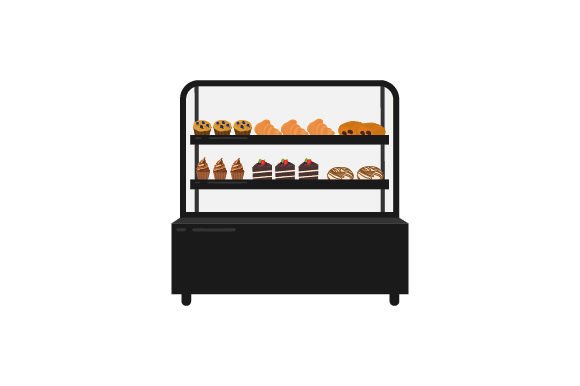
As a brand designer who has spent years refining identities for local businesses, I recently examined a graphic design asset titled Coffee Shop Display. My goal was to determine if this asset could serve as a cornerstone for a real-world branding project. Specifically, I wanted to see how it would perform in the hands of a small business owner launching a new product line or rebranding an existing boutique. The first impression of Coffee Shop Display is immediate and distinct; it evokes a sense of warmth and artisanal craftsmanship that feels perfectly suited for the intersection of Crafts and Coffee. It suggests a brand personality that is both welcoming and sophisticated, ideal for a coffee shop that prides itself on hand-roasted beans or a bakery that specializes in custom treats.
The Mood and Brand Personality
When you look at Coffee Shop Display, it does not feel like a generic template. Instead, it carries the weight of a story. The visual language speaks to a customer base that values authenticity. Whether the design leans towards a rustic, earthy aesthetic or a modern, clean look, it creates a mood that invites connection. For a local business, this emotional resonance is critical. It tells the consumer that the products inside are made with care. This asset works exceptionally well for brands that want to appear premium yet accessible. It avoids the coldness of corporate minimalism while steering clear of cluttered, chaotic designs. Instead, it offers a balanced visual hierarchy that guides the eye naturally, making it perfect for packaging where shelf appeal matters.
Real-World Application in Local Business Branding
In my experience reviewing assets for client projects, versatility is key. Coffee Shop Display proves its worth across a wide spectrum of marketing visuals. Imagine a local coffee roaster using this design as the hero graphic on their website banners. The clarity of the lines ensures that the message is received instantly. But its utility extends far beyond digital screens. For a physical product seller, this asset becomes a vital tool for packaging design. It can be scaled down to become a decorative accent on a bag of coffee beans or expanded to create a large-scale promotional banner for a seasonal campaign.
I have seen similar assets transform simple product labels into high-end brand experiences. When applied to hang tags or thank-you cards, Coffee Shop Display adds a layer of professionalism that elevates the perceived value of the item. For social media managers, these graphics are gold. They can be repurposed as Instagram stories, Facebook post headers, or Pinterest pins, ensuring that the brand identity remains consistent across all channels. Even for editorial design or web design projects, the vector nature of the file allows for crisp scaling without losing quality. It serves as a bridge between the handmade charm of a craft fair and the polished presentation required for retail partnerships.
Where the Asset Shines Brightest
There are specific scenarios where Coffee Shop Display truly excels. First, it is outstanding for product labels and packaging accents. In a crowded marketplace, a unique graphic element helps a product stand out. Second, it functions beautifully as a hero graphic for landing pages or email newsletters, drawing attention to special offers. Third, for boutique owners and handmade sellers, it is perfect for creating printable inserts that go inside packages, enhancing the unboxing experience. Finally, it is ideal for seasonal campaign visuals, allowing businesses to quickly adapt their look for holidays or special events without needing a complete redesign.
The asset supports stronger first impressions by providing a cohesive visual anchor. It improves customer trust by signaling that the business pays attention to detail. Furthermore, it aids in better product recognition; when customers see the distinctive style of Coffee Shop Display repeatedly, they begin to associate it with quality. This consistency leads to more professional packaging and a stronger emotional connection with the audience.
Navigating Design Challenges and Limitations
However, every graphic design asset has its limitations, and a professional review must acknowledge them. While Coffee Shop Display is versatile, it should be used carefully in certain contexts. If you are designing for a formal corporate branding project, this asset might feel too casual or decorative. Similarly, for very small labels where space is at a premium, intricate details may become indistinguishable when printed at a tiny scale.
It is also important to consider the layout of your product packaging. If your design already includes ingredient-heavy layouts or extensive legal information areas, adding Coffee Shop Display could create visual competition. In such cases, the decoration might distract from the essential text. Brands aiming for a luxury minimalist aesthetic might find the asset too ornate, as it introduces elements that compete with a "less is more" philosophy. Additionally, on low-contrast backgrounds, the visibility of the design could be compromised, requiring careful color selection to ensure legibility.
Practical Designer Notes for Implementation
To get the most out of Coffee Shop Display, I recommend following a rigorous testing process before finalizing any commercial design. Start by testing the asset on real packaging mockups. Seeing the design on a 3D model of a box or a bottle provides insight into how it will look in the real world. You must also check the black and white usage to ensure the design holds up without color support, which is crucial for cost-effective printing options.
Previewing the design on small labels is another non-negotiable step. What looks good on a screen might lose definition when shrunk down. Test the asset with your specific brand colors to ensure harmony and contrast. Comparing it with competitor packaging will help you understand your market positioning and ensure you are standing out rather than blending in. Always check print quality by exporting high-resolution versions to verify sharpness.
If you are working with transparency, inspect the PNG design closely to ensure there are no jagged edges or unwanted halos around the graphics. For those utilizing the SVG design or EPS files, review the vector editability to confirm that paths can be manipulated without breaking the integrity of the image. It is also wise to test the asset beside different font styles—serif, sans serif, script, handwritten, and display fonts—to find the perfect typographic pairing that enhances the overall composition.
Final Thoughts on Commercial Use
Before integrating Coffee Shop Display into your small business branding strategy, confirm the commercial license. Understanding the terms of use is essential for protecting your business and ensuring you are legally cleared to sell products featuring this design. Whether you are a creative entrepreneur looking to launch a new product line or a marketer seeking fresh visual assets, this design offers a robust foundation for building a memorable brand identity.
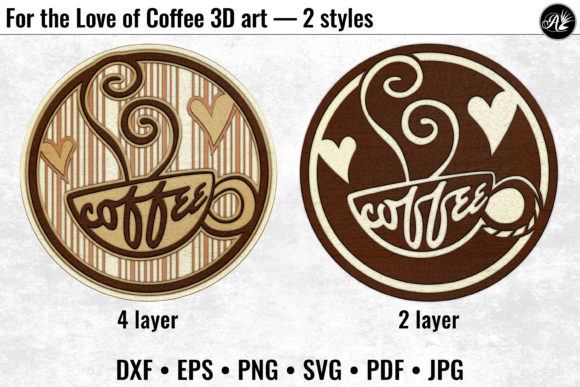
The inclusion of multiple formats like SVG File, Transparent PNG, EPS, and DXF means you have the flexibility to use Coffee Shop Display across various platforms. From crafting digital marketing visuals to producing physical product labels, this asset is designed to support the diverse needs of local businesses. By approaching the design with a strategic mindset and adhering to best practices in visual hierarchy, you can leverage Coffee Shop Display to create a professional, trustworthy, and engaging brand presence that resonates with your target audience.